
Power your processes. Drive every outcome with AI and stay in control of decisions.
With our Autonomous Process Orchestration service, we connect AI agents and systems to manage the flows that coordinate activities, information and decisions across different business functions. Humans define priorities and guide the steps that require expertise, while agents execute tasks within the agreed-upon scope.
Engagement
Process Discovery + Agentic Orchestration
Outcome
Coordinated processes, measurable results
Scope
8-12 weeks
AI in operational processes
Work can progress even when it crosses different systems and responsibilities.
We connect every step in a shared flow: agents interpret requests, use available data, and trigger tasks in authorized systems. People track progress and contribute their expertise to decisions that impact customers, operations and results.
Coordinated steps
From receiving a request to completing it, we connect activities across systems and functions. Each step has defined information and responsibilities, so people can track the work throughout the entire process.
Regulated autonomy
We work with people to determine which tasks to assign to agents and when to request an audit. Those managing the process maintain control over decisions and have the information they need to intervene.
Observable activities
People can track activities and review outcomes to manage their priorities. Those coordinating the process can identify critical steps and assess where rules need to be modified or agents' autonomy expanded.

Giuliano Torelli
Chief Marketing Officer
Seen up close
«Entrusting a process to agents means defining where they can act and when they need to involve a person. Autonomy becomes useful when those who manage the work can understand it, verify it and modify it according to the needs of the business.»
The Solution
An architecture that coordinates agents along the process.
We start with the desired outcome and define how the work should proceed across the involved functions. Orchestration assigns tasks to agents, uses system responses and manages subsequent steps within the authorized perimeter. We define when to involve people to approve the most relevant actions and decide how to handle exceptions.
Objectives and responsibilities
We define the expected outcome and who is responsible for it. We map the existing process to determine which tasks to assign to agents and which decisions to leave with people.
Information in context
We connect the data and knowledge needed for the process, with role-based access. Agents use this information to interpret requests and verify conditions before taking action.
Coordination of agents
We design the distribution of tasks among agents with defined tasks. Orchestration manages dependencies and identifies the next step based on available outcomes and process rules.
Actions on systems
We create the necessary integrations to perform tasks on the relevant platforms. Each action complies with defined permissions and controls, with results logged to verify what has been done.
Exceptions and approvals
We establish when the process should stop or require evaluation. People receive the necessary context to decide; the flow resumes according to the expected conditions after the exception is handled.
Evaluation and monitoring
Let ideas travel across channels and markets. We design content flows to adapt to different languages, formats and lengths. We monitor quality and operational overhead to extend production while maintaining a shared creative direction.

What's happening in your company
An autonomy built around the work to be completed.
01
Continuity
Recurring tasks can flow across systems according to shared rules, helping people get work done with less manual transfer of information between functions.
02
Competence
People intervene in approvals and exceptions, offering their expertise in steps that require evaluation and maintaining ownership of decisions.
03
Control
Those following the process can consult actions and outcomes, identify where work stops, and use the available information to decide how to intervene.
04
Results
Shared indicators help business leaders compare operating results with initial objectives and evaluate the effectiveness of orchestration before approving new investments.
05
Evolution
We start with a limited process and evaluate, together with the people involved, where to extend the orchestration, considering the evidence collected and the ability to manage new activities.
Process
From priorities to operational AI.
We work with stakeholders to bring AI into priority processes, moving toward verifiable releases and evaluating the results before expanding its use.
Step A: 1-2 weeks
Analyses
We identify the starting process, evaluating the available data and the tasks to be assigned to the agents, with shared objectives and indicators.
Step B: 2-3 weeks
Progettazione
We design the flow and integrations, defining people's responsibilities and agent autonomy levels, including steps requiring approval.
Step C: 2-3 weeks
Development
We create the flow and integrate it with company systems, verifying its functionality with the people involved even in the presence of anomalies and exceptions.
Step D: 2-3 weeks
Go Live
We bring orchestration into production and support people in day-to-day management, using the results to guide updates and extensions to new activities.
What sets us apart from others
The difference is in the way activities are organized around the business.
Our approach connects architecture, data, and processes to prevent growth from generating new fragmentation: we transform operational complexity into strategic clarity, aligning decisions and priorities with business outcomes.
The standard approach
- Systems, marketing and AI proceed in silos with separate logic and priorities.
- Existing solutions are adapted to contexts with different constraints.
- Intervention is initiated only after the problem has emerged and costs have already increased.
- Technology, growth and relationships are distributed across different vendors.
- The project is measured by distinct outputs, not by system convergence.
The Redify Model
- We integrate systems, marketing and AI toward a single business direction.
- We start from the points of friction to build what's really needed.
- We design architectures and paths based on the client's constraints, stack and objectives.
- A single method to make technology, growth and relationships work together.
- We protect what matters: control, speed, direction and growth capacity.
Designed For Your Role
Each function contributes to a process it can govern.
Operational autonomy involves those who drive the technology and those who are accountable for the results. We define the contribution of each function and the areas where intervention is needed. The process becomes a shared reference for assessing priorities and guiding AI decisions.
CTO
Bring orchestration to the stack with documented integrations and defined permissions. Evaluate dependencies and management conditions before expanding the scope and maintain visibility into agent actions.
Head of Digital
Drive digital initiatives forward by coordinating work between commerce and business functions. Assign recurring steps to agents, leaving decisions that impact customer service and experience to people.
CMO
Connect request management to customer data and the marketing activities included in the process. Define which steps to assign to agents and which to retain for approval, maintaining communication and relationship management.
CDO e AI Expert
Translate adoption priorities into processes with explicit evaluation criteria. You can assess the usefulness of agents in the operational context and use the evidence to decide where to extend them, with defined management responsibilities.
Related Insights

SEO vs GEO: il punto di vista di un growth marketing manager

Marta Spiga
Senior Growth Marketing Lead

How to choose the best SEO agency for fashion and luxury

Giuliano Torelli
Chief Marketing Officer

SEO and GEO Consulting for Luxury Brands
Marta Spiga
Senior Growth Marketing Lead

Global Luxury Commerce: business-driven international expansion
Giuliano Torelli
Chief Marketing Officer

Beyond Traffic: why more visitors doesn't mean more profit
Giuliano Torelli
Chief Marketing Officer

Composable Commerce for Retail: when to adopt it and when it's just Overengineering.

Marco Fabbri
Chief Technology Officer

Marketing Orchestration: from generic campaigns to personalized journeys
Giuliano Torelli
Chief Marketing Officer

Personalization in Luxury: preserving exclusivity by scaling the digital experience
Giuliano Torelli
Chief Marketing Officer

Features vs Revenue: why adding features doesn't automatically increase sales
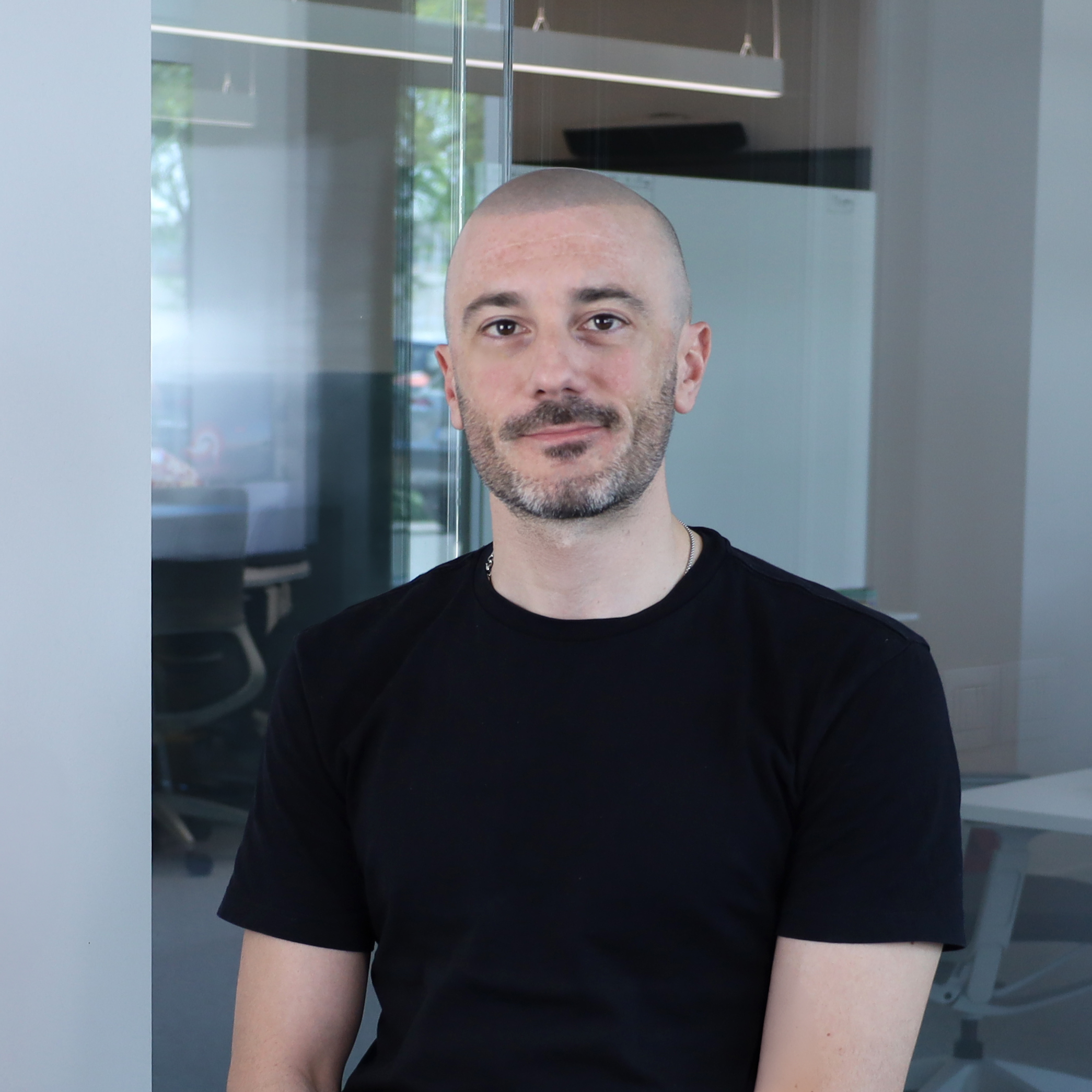
Andrea Ciliberti
Senior Business Consultant


Give processes autonomy and maintain control.
We identify processes where AI can streamline daily workloads and support business volumes.